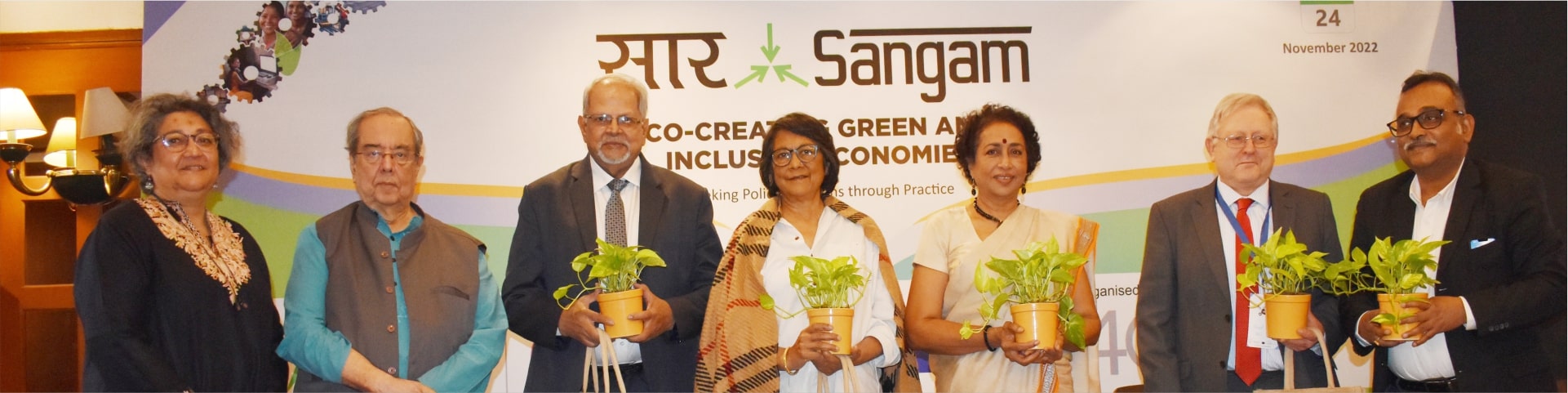
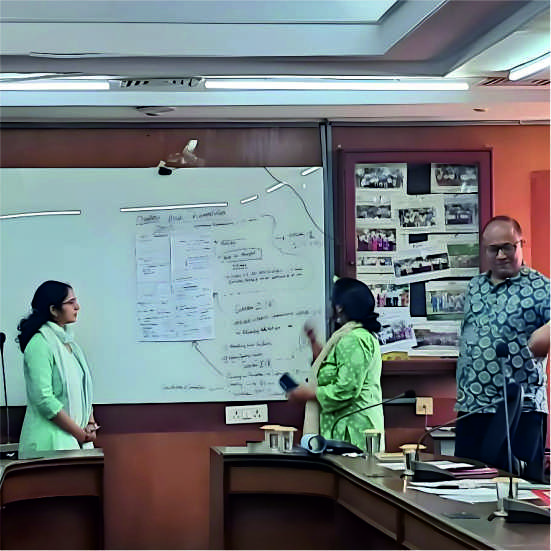
Experts co-designed ToT programme strengthening watershed capacity building nationwide
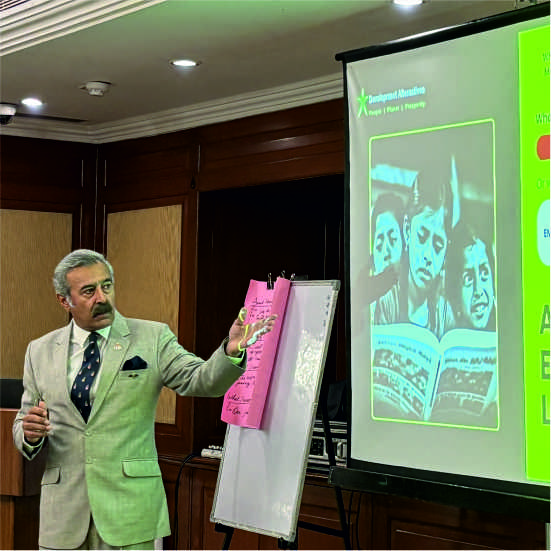
TARA’s Climator enhances IAYP Awards through real-world climate action for Schools.
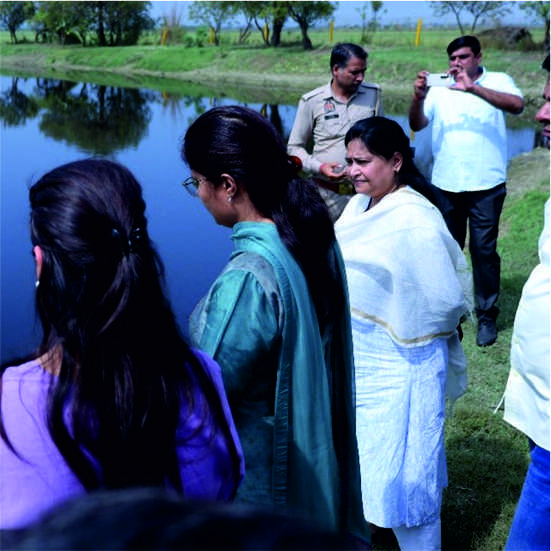
Community-led pond revival celebrated through voices, performances, and partnerships
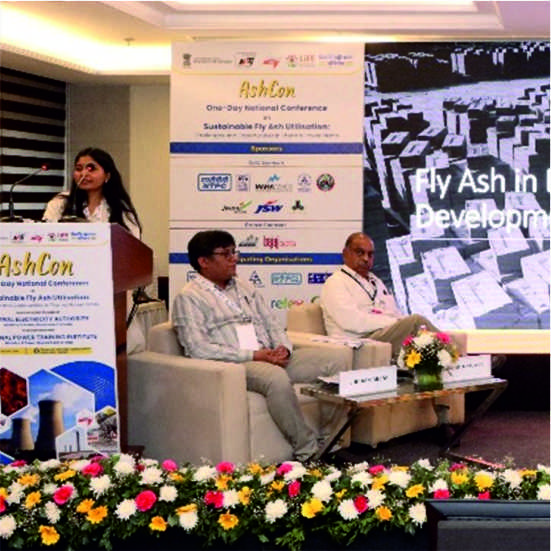
With over 25 years of experience in the brick sector, Development Alternatives (DA) has helped build an enabling ecosystem through knowledge creation, policy advocacy, and enterprise support. At the #AshCon Conference on Sustainable Fly Ash Utilisation, Preetika Gupta from DA presented our work on advancing fly ash adoption in Bihar.
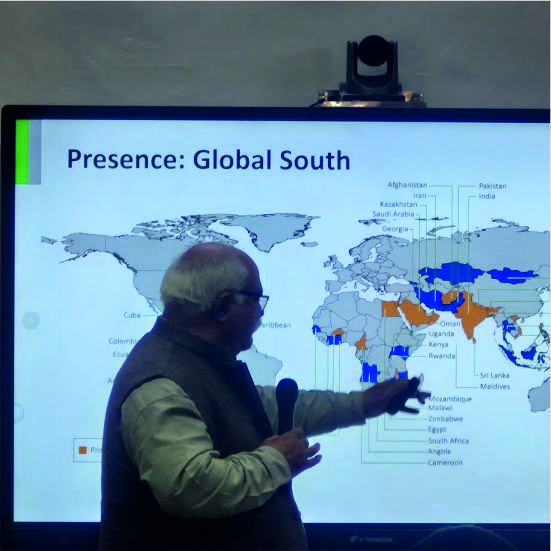
On 19th March 2026, #DevelopmentAlternatives engaged with delegates from Southeast Asia and Africa at the National Institute of Labour Economics Research and Development (NILERD) as part of the International Training Programme on Local Governance and Rural Livelihoods.
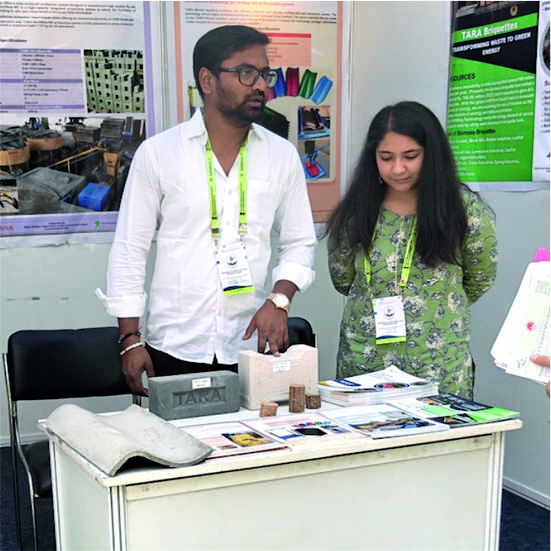
Showcasing DA technologies under सह-SANKALP for scalable rural livelihood systems
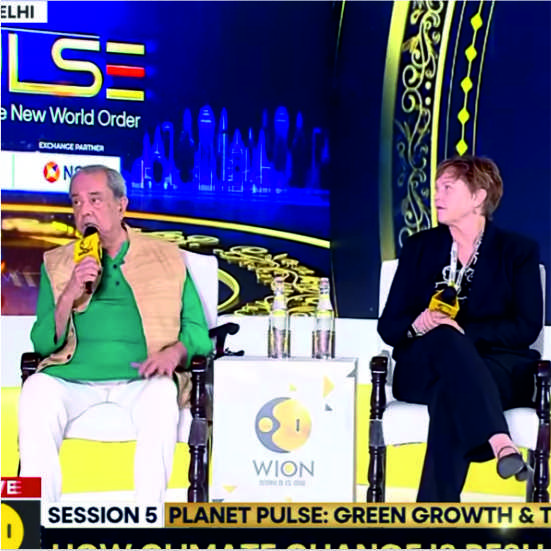
Discussion on “Planet Pulse: Green Growth and Climate Divide – The Business of Climate: Profit or Planet”
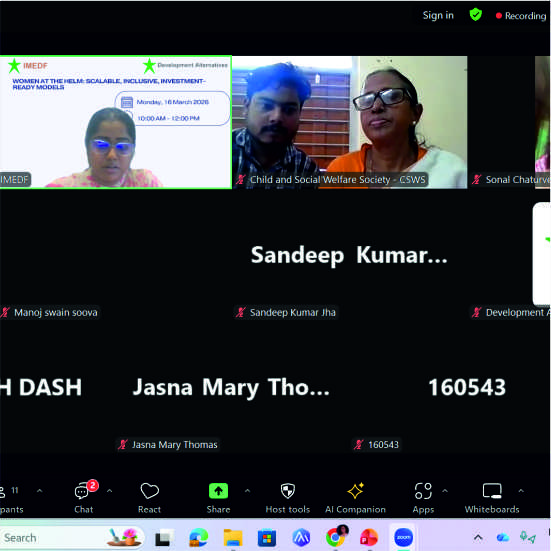
Women-led clusters driving scalable, inclusive and investment-ready rural enterprises
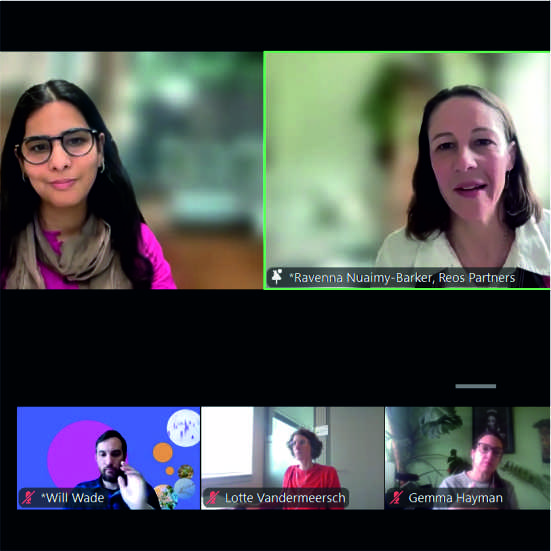
At Day 2 of the #SILPLearningFestival 2026, hosted by Climate KIC and Sida (Swedish International Development Cooperation Agency), Kanika Verma, Lead - Sustainable Entrepreneurship Group & Executive Vice President at Development Alternatives, joined practitioners and system leaders to reflect on what it means to operate in the in-between spaces of Rethinking Intermediary Funding Practices.
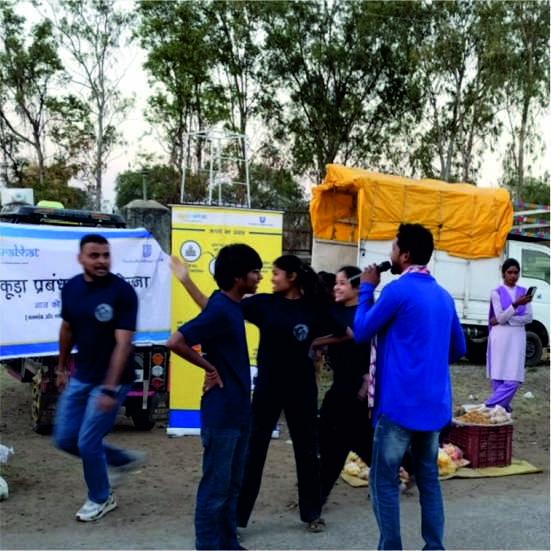
Awareness drives promote waste segregation and healthier rural living practices
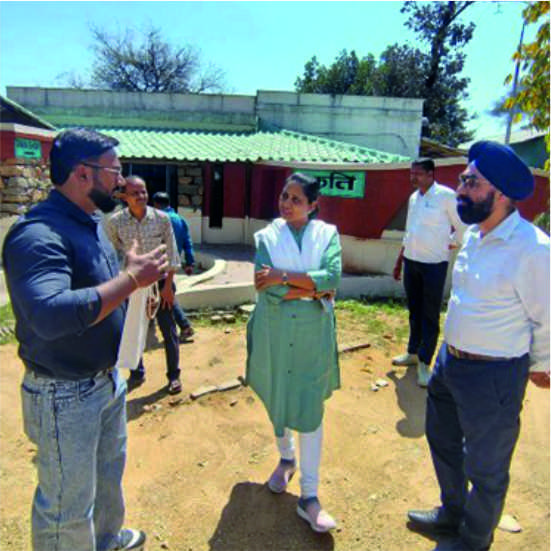
District engagement strengthens water governance and technical collaboration in Niwari
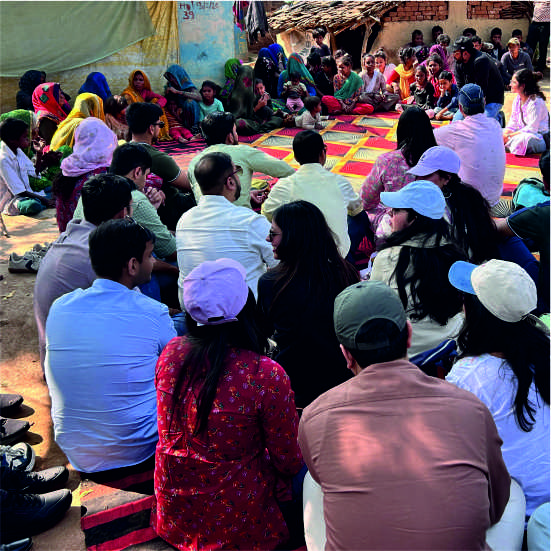
Judicial officers connected policy perspectives with grassroots lived realities.
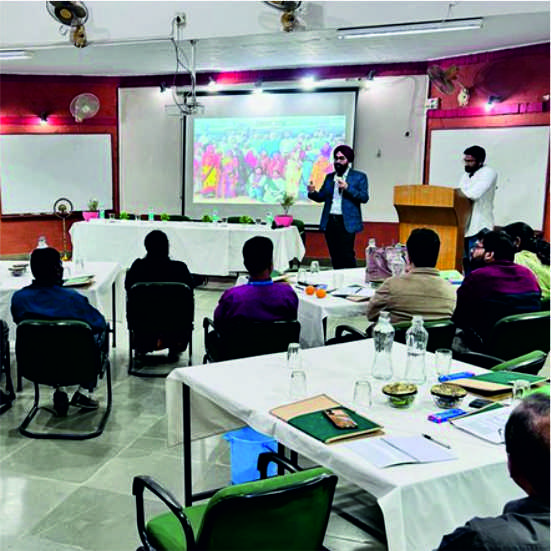
NABARD officials experience integrated watershed and rural development models firsthand
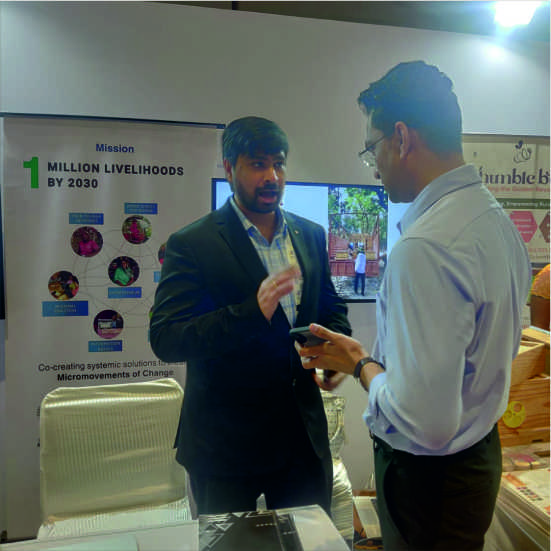
At AI Impact Summit 2026, Development Alternatives, in partnership with Gram Vaani, showcased its Voice AI Interactive Q&A at Bharat Mandapam, New Delhi — an access-first AI solution designed to expand entrepreneurship support, particularly for women and low-digital-literacy users.
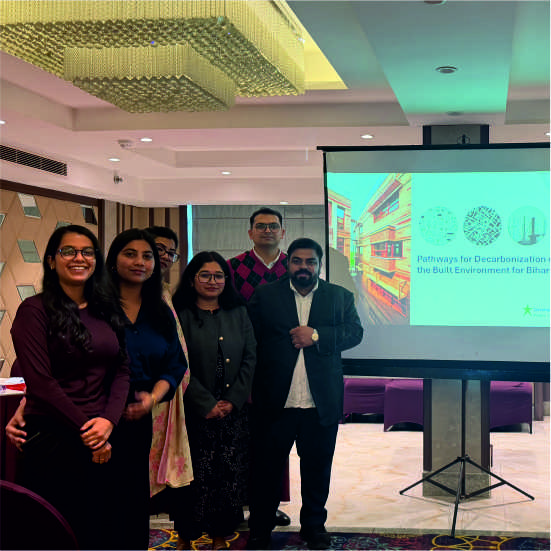
Transforming the Built Environment Through the Integration of Sustainable Materials into Affordable Housing Sector at Subnational Level
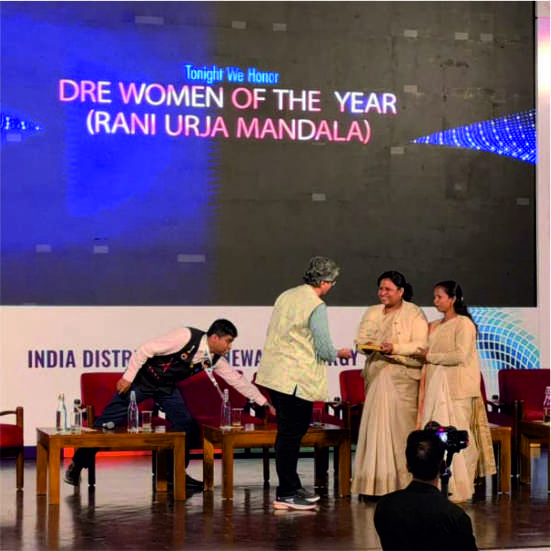
Women-led solar enterprise recognised at India DRE Summit 2026.
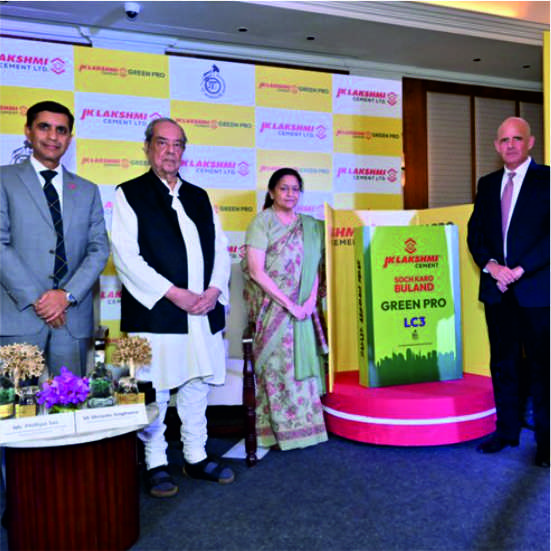
Commercial launch of LC3 in the Indian cement market supporting the Government of India’s mission for accelerating India’s low carbon transition mission of achieving carbon neutrality by 2070.
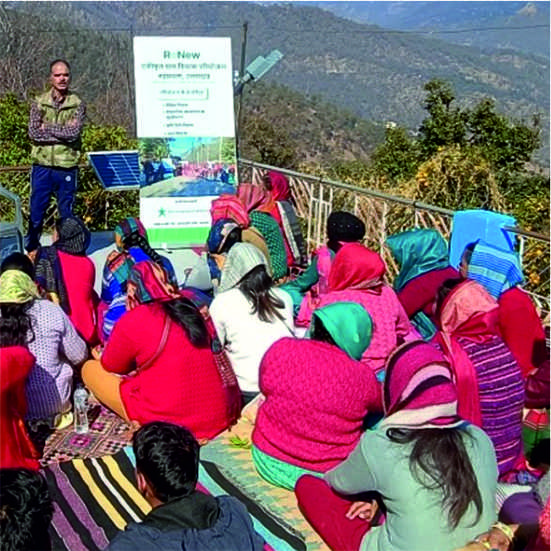
Exposure visit strengthened farmer capacity on horticulture and climate-resilient livelihoods.
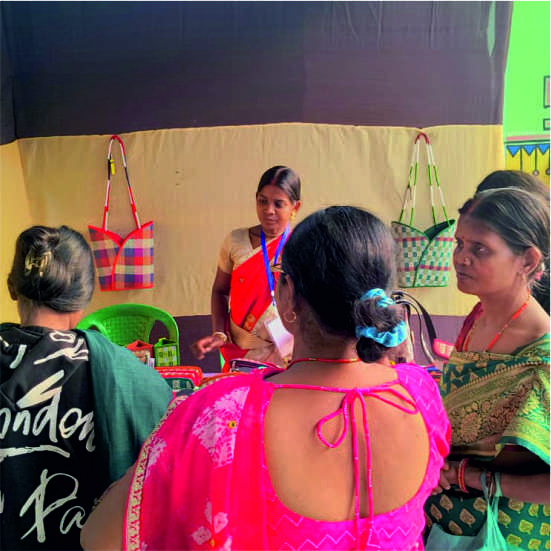
Artisans gained market access and strong sales at the festival platform.
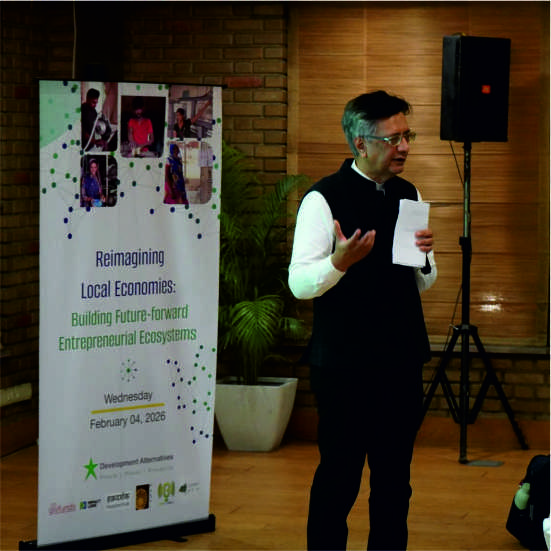
High-level roundtable advances SAMUDYAM’s One Million Livelihoods ambition.





 Live Radio